Systems built around the way people actually learn and live.
The flagship projects combine automatic data, careful typography, serious source handling, and practical interfaces. Each one solves a specific problem rather than chasing a generic category.
כ״ז אב תשפ״ו
לוח יומי לקהילה
ShulDisplay
A bilingual, calendar-aware synagogue information system for zmanim, tefillot, shiurim, daily learning, weather, notices, and live media across web, mobile, desktop, and Raspberry Pi.
Siddur Tehillat Hashem
A day-aware Siddur and complete Tehillim experience with local zmanim, daily prayer, and a Jerusalem compass across web and native platforms.
Torah & Chassidus Translate
Translate and study scanned Hebrew and Yiddish texts while keeping the source image, editable OCR, translation, learning tools, exports, and backup together.
The full Benoni Online project library.
Public products open directly. Private editorial and research systems are included for completeness and will present their access screen.
MenorAI
A Torah study companion for attributed daily sources, Hebrew and English reading, source-linked questions, matched audio, and native voice study.
HaYum-Yum
Daily Hayom Yom teachings transformed into illustrated family stories, conversation prompts, small actions, and playful shared adventures.
Signal Ledger
A source-linked narrative-intelligence workbench for current world-event dossiers, visible uncertainty, direct evidence, investigation search, and briefing tools.
Lishma Scholars
Torah texts brought to life through multisensory learning, vivid study journeys, and practical daily application.
Mafteach HaIgrot
A structured research and indexing environment for navigating, organizing, and working with the Rebbe’s correspondence.
ArtScroll Library
A protected digital library and study environment for organized access to a working collection of Jewish texts.
Rebbe Text Workflow
A production pipeline for document intake, OCR, transcription, review, structured editorial work, and mobile distribution.
Rebbe Letters
An archival editorial workspace supporting the organization, administration, and publication workflow for the letters collection.
770Live
A focused modern home for watching the live 770 stream without the clutter of a general video platform.
HACKTIC Demon Dialer
An interactive browser emulation preserving the experience and story of the legendary 1991 telephony device.
The Seventh Month
An adult historical graphic novel about Gedaliah ben Achikam, the Jewish remnant after Jerusalem's fall, and a tragedy of trust and failed leadership.
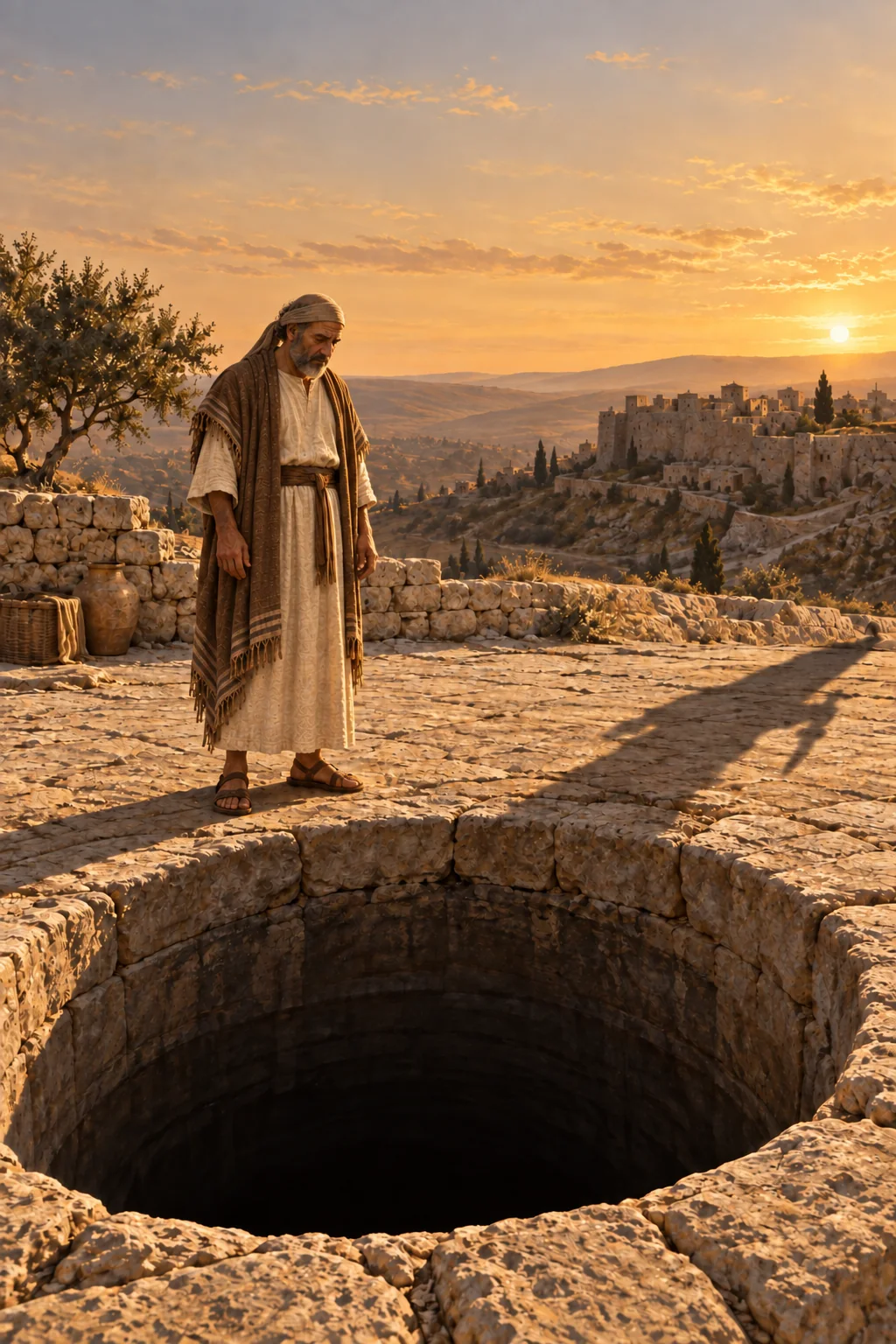
The Seventh Month
A complete 108-page adult historical graphic novel about sovereignty, survival, and the duty to protect people without condemning an accused man as guilty. The edition includes the original Hebrew sources, contemporary English, a 64-page story, archaeology, glossary, and afterword.
Songs where Torah, night shifts, and memory share a stage.
Explore 39 releases and 54 videos: cinematic Torah ballads, Sirr Al-Saut, cyber-security satire, reworked niggunim, covers, and live recordings.
Technology should serve the source and the people using it.
The projects vary widely, but the approach is consistent: preserve context, expose uncertainty, respect language, and build for the conditions where the tool will actually live.
Keep the source visible
Translations, summaries, and automated assistance should remain connected to their evidence.
Treat Hebrew as a first-class language
Direction, punctuation, typography, calendar logic, and source conventions are product requirements.
Design for continuity
Offline caches, local datasets, resilient deployments, and owner controls matter when software runs every day.
Make complexity legible
Research systems should show provenance and uncertainty; community systems should hide operational complexity.
“Build the tool the material deserves.”
Not every project should look or behave the same. The interface follows the text, audience, environment, and task.
Every active project domain, organized by system.
This directory distinguishes public interfaces, live displays, aliases, APIs, downloads, privacy pages, and access-controlled workspaces.
01ShulDisplay
02Siddur Tehillat Hashem
03Torah & Chassidus Translate
04Learning & community
05Research & editorial systems
06Rebbe Text Workflow
07Signal Ledger
08Historical experiment
Follow the work through the projects themselves.
Each public project opens as a working product, not a concept page. Begin with the full collection or step directly into the featured systems.